
How a Dual Internet Strategy with Starlink and Cox Prevented Downtime for Our Business
- Chris Dudley

- 2 days ago
- 3 min read
Reliable internet is no longer a luxury—it is a necessity for homes and small businesses alike. When internet service goes down, it disrupts work, communication, and daily life. This blog post shares a recent customer experience that highlights how combining Starlink satellite internet with Cox cable internet created a powerful, redundant solution that kept their business online without interruption. If you face connectivity challenges or want to avoid costly downtime, this story offers practical insights and tips.
Why Reliable Internet Matters More Than Ever
For small businesses and home offices, internet downtime can mean lost sales, missed deadlines, and frustrated customers. Even brief outages can disrupt video calls, cloud access, and online transactions. The customer in this story runs a small graphic design studio from home. Their work depends heavily on fast, stable internet to upload large files and communicate with clients worldwide.
Before adopting a dual internet setup, they experienced frustrating outages caused by cable line repairs and occasional network congestion. These interruptions delayed projects and hurt their reputation. They realized relying on a single internet provider was risky and started exploring backup options.
Choosing Starlink and Cox for Redundancy
The customer chose to combine Starlink, a satellite internet service, with their existing Cox cable internet. This combination offered several advantages:
Different technologies: Starlink uses low-earth orbit satellites, while Cox relies on traditional cable infrastructure. This reduces the chance that both services fail simultaneously.
Geographic diversity: Satellite internet is less affected by local cable line issues or construction.
Speed and latency balance: Cox provides consistent speeds with low latency, ideal for video calls and real-time work. Starlink offers high speeds even in remote areas, though latency can be slightly higher.
This mix gave the customer a reliable fallback option. If Cox went down, Starlink automatically took over, keeping their business online without interruption.
Real-Life Example of Downtime Avoidance
One weekend, a major cable repair project in the neighborhood caused Cox internet to go offline for several hours. Normally, this would have halted the customer’s work and delayed client deliveries. Instead, their Starlink connection kicked in seamlessly.
They continued uploading files, attending virtual meetings, and managing client communications without noticing any disruption. The failover process was automatic, requiring no manual intervention. This experience proved the value of having two independent internet connections.
Benefits of Using Redundant Internet Solutions
This customer’s experience highlights key benefits of a dual internet strategy:
Continuous connectivity: Automatic failover prevents downtime during outages.
Improved productivity: Work flows smoothly without interruptions.
Peace of mind: Knowing there is a backup reduces stress.
Flexibility: Different internet types cover each other’s weaknesses.
Cost-effective risk management: Avoids expensive downtime losses.
For small businesses, these benefits translate into stronger client trust and smoother operations.
Tips for Setting Up Your Own Dual Internet System
If you consider a similar setup, here are practical tips based on this customer’s journey:
Choose providers with different infrastructure: Avoid two cable or DSL providers that share the same lines.
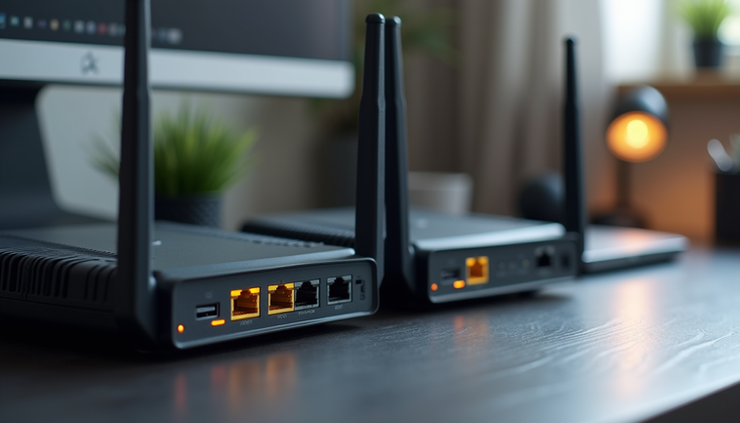
Use a router that supports automatic failover: This ensures seamless switching between connections.
Test failover regularly: Simulate outages to confirm the backup activates properly.
Consider your internet needs: Match speeds and latency to your work requirements.
Plan for costs: Running two services means paying for both, but the cost can be justified by reduced downtime.
Check coverage: Starlink works well in many areas but verify availability and performance in your location.
Final Thoughts on Internet Redundancy for Small Businesses
This customer’s story shows how combining Starlink and Cox internet created a reliable, redundant system that prevented costly downtime. For homes and small businesses that rely on constant connectivity, investing in two different internet services can be a smart move.
Reliable internet is the backbone of modern work and communication. By building redundancy into your setup, you protect your business from unexpected outages and keep your operations running smoothly. If you face frequent internet disruptions or want to avoid the risk of downtime, consider a dual internet strategy tailored to your needs.
Taking this step can save time, money, and frustration—helping you stay connected no matter what happens with your primary provider.


Comments