
The Essential Role of Low-Voltage Contractors in Home Remodeling and Smart Technology Integration

When remodeling a home, many homeowners focus on design, layout, and finishes. Yet, one critical aspect often overlooked is the wiring and technology infrastructure that powers modern homes. Low-voltage contractors play a vital role in this area, handling the installation and integration of systems that improve safety, convenience, and entertainment. Understanding their work helps homeowners make informed decisions and ensures a smoother remodeling process.
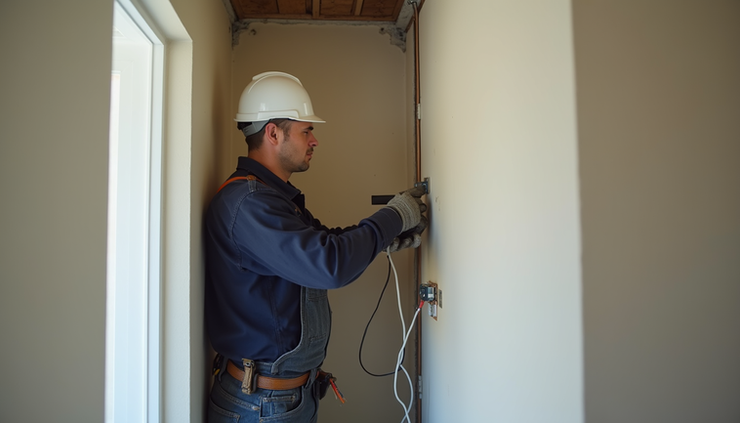
What Does a Low-Voltage Contractor Do?
Low-voltage contractors specialize in installing electrical systems that operate at lower voltages than standard household wiring. These systems include security alarms, audio and video setups, data networks, and smart home technology. Their work differs from general electricians, focusing on specialized wiring and equipment that enhance home functionality.
Key Tasks They Perform
Security System Wiring Installing wiring for cameras, motion detectors, door and window sensors, and alarm panels. This wiring ensures reliable communication between devices and the central control system.
Audio and Video Setup Running cables for home theater systems, multi-room audio, and video distribution. This includes speaker wiring, HDMI cables, and network connections for streaming devices.
Smart Home Technology Integration Wiring and connecting devices such as smart thermostats, lighting controls, automated blinds, and voice assistant hubs. Low-voltage contractors ensure these devices communicate seamlessly through a central system.
Data and Communication Networks Installing structured cabling for internet, telephone, and home automation networks. This includes Ethernet cables, fiber optics, and coaxial wiring.
Intercom and Access Control Systems Setting up wired intercoms, video doorbells, and electronic locks that enhance home security and convenience.
Each task requires precise knowledge of wiring standards, device compatibility, and safety codes. Low-voltage contractors often work closely with other trades to coordinate wiring routes and avoid conflicts with plumbing or HVAC systems.
Why Their Work Matters for Home Functionality and Safety
Modern homes rely heavily on technology to improve daily living. Low-voltage contractors enable this by creating the backbone that supports smart devices and security systems. Their work impacts several important areas:
Enhanced Security Properly installed security wiring ensures systems operate without interruption. This reduces false alarms and improves response times in emergencies.
Improved Convenience Smart home devices controlled through a central system simplify tasks like adjusting lighting, temperature, or entertainment settings.
Future-Proofing Installing extra wiring and conduits during remodeling allows for easy upgrades as technology evolves. This saves time and money on future renovations.
Increased Home Value Homes equipped with integrated smart systems and reliable security wiring often attract buyers and command higher prices.
Energy Efficiency Smart thermostats and lighting controls help reduce energy consumption, lowering utility bills and environmental impact.
Without skilled low-voltage contractors, homeowners risk poorly installed systems that malfunction or become obsolete quickly.
Tips for Choosing the Right Low-Voltage Contractor
Selecting the right contractor is crucial to ensure quality work and a hassle-free remodeling experience. Here are some practical tips:
Check Credentials and Licensing Verify that the contractor holds the appropriate licenses and certifications for low-voltage work in your area.
Look for Experience with Home Remodels Contractors familiar with remodeling projects understand how to coordinate with other trades and work within existing structures.
Ask for References and Reviews Contact previous clients or read online reviews to gauge reliability, workmanship, and communication.
Request Detailed Estimates A clear, itemized estimate helps avoid surprises and allows you to compare bids fairly.
Confirm Warranty and Support Ensure the contractor offers warranties on their work and is available for troubleshooting after installation.
Discuss Technology Preferences Share your goals for smart home features and security so the contractor can recommend compatible systems.
Evaluate Communication Skills Choose a contractor who listens carefully, explains options clearly, and keeps you informed throughout the project.
What to Expect During the Remodeling Process
Understanding the typical steps low-voltage contractors follow can help homeowners prepare and stay involved:
Initial Consultation and Planning
The contractor assesses your needs, reviews the remodeling plans, and discusses technology options.
Design and Layout
They create wiring diagrams and determine cable routes, considering device placement and future expansion.
Pre-Wiring Installation
Before walls close up, the contractor runs cables through studs, ceilings, and conduits.
Device Installation
After drywall and finishes are complete, they mount devices like cameras, speakers, and control panels.
System Integration and Testing
The contractor connects devices to control hubs, configures settings, and tests functionality.
User Training and Documentation
They provide instructions on operating the systems and leave documentation for future reference.
Ongoing Support
Many contractors offer maintenance and troubleshooting services to keep systems running smoothly.
Homeowners should coordinate with their general contractor and other trades to schedule low-voltage work at the right time. Clear communication helps avoid delays and rework.
Low-voltage contractors bring essential expertise to home remodeling projects, ensuring that security, entertainment, and smart technology systems work reliably and efficiently. By understanding their role and following practical tips for hiring and collaboration, homeowners can create a connected home that meets their needs today and adapts to future innovations. Take the time to plan your low-voltage installations carefully, and you will enjoy a safer, smarter, and more comfortable living space for years to come.


Comments