
Creating an Effective CCTV System: The Importance of Thoughtful Design Over Simple Installation
- Chris Dudley

- 6 hours ago
- 4 min read
Installing cameras might seem like the easy part of setting up a surveillance system. Yet, simply placing cameras without a clear plan often leads to blind spots, poor image quality, and missed opportunities to identify incidents or deter crime. A well-designed CCTV system goes beyond installation. It involves strategic planning to cover critical areas, selecting the right camera types, and integrating technology to maximize effectiveness.
This post explores why thoughtful design matters more than just installing cameras. It offers practical tips on assessing coverage needs, choosing equipment, and using technology to build a surveillance system that truly protects your property and people.
Why Thoughtful Design Matters More Than Just Installing Cameras
Many people assume that adding more cameras automatically improves security. In reality, more cameras without a plan can create confusion, overlap, and wasted resources. Thoughtful design focuses on quality of coverage, not quantity. It ensures cameras capture clear, useful footage where it matters most.
A well-designed system improves:
Identification: Clear views of faces, license plates, and actions.
Evidence collection: Reliable footage that holds up in investigations.
Deterrence: Visible cameras placed to discourage criminal behavior.
Without strategic placement, cameras might point at empty walls or miss entrances entirely. This leaves gaps that criminals can exploit and frustrates security teams reviewing footage.
Assessing Areas for Optimal Coverage
Before installing any cameras, conduct a thorough assessment of the property. This step helps identify high-risk zones and critical points that need monitoring.
Key areas to evaluate:
Entry and exit points: Doors, gates, and driveways where people or vehicles enter and leave.
High-traffic zones: Hallways, lobbies, and common areas where many people pass through.
Vulnerable spots: Blind corners, alleys, parking lots, and storage areas.
Valuable assets: Cash registers, safes, equipment rooms, or inventory storage.
Walk the property during different times of day to observe lighting conditions and potential obstacles. Take notes on where natural light changes or shadows fall, as these affect camera performance.
Choosing the Right Camera Types for Each Location
Not all cameras serve the same purpose. Selecting the right type depends on the environment and what you need to capture.
Common camera types and their uses:
Dome cameras: Compact and discreet, ideal for indoor areas like hallways or retail spaces.
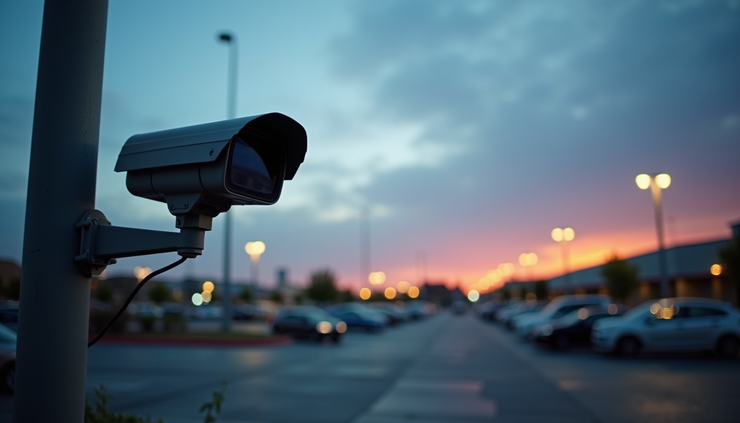
Bullet cameras: Long-range and weather-resistant, suited for outdoor entrances and parking lots.
PTZ (Pan-Tilt-Zoom) cameras: Allow remote control to follow movement, useful for large open areas.
Infrared cameras: Capture clear images in low light or darkness, essential for night surveillance.
License plate recognition cameras: Specialized for capturing vehicle plates at entrances or parking areas.
Match camera features to the specific needs of each location. For example, a parking lot requires weatherproof cameras with night vision, while a lobby benefits from wide-angle dome cameras for broad coverage.
Integrating Technology for Better Surveillance Results
Modern CCTV systems offer more than just video recording. Thoughtful design includes integrating technology that enhances monitoring and response.
Useful technologies to consider:
Video analytics: Software that detects motion, unusual behavior, or specific objects like unattended bags.
Remote access: Viewing live or recorded footage from smartphones or computers for quick response.
Cloud storage: Secure off-site storage to protect footage from theft or damage.
Alarm integration: Linking cameras with alarms or lighting to react automatically when suspicious activity is detected.
High-definition recording: Ensures clear images for identification and evidence.
Combining these technologies creates a system that not only records but actively supports security teams in preventing and investigating incidents.
Practical Tips for Designing Your CCTV System
Map your property: Draw a detailed layout marking all entrances, exits, and vulnerable spots.
Prioritize coverage: Focus on areas with the highest risk or value first.
Avoid obstructions: Place cameras where trees, signs, or walls won’t block views.
Consider lighting: Use cameras with infrared or add lighting to dark areas.
Test angles and distances: Adjust camera positions to capture faces or license plates clearly.
Plan for maintenance: Ensure cameras are accessible for cleaning and repairs.
Consult professionals: When in doubt, seek advice from security experts to tailor the system to your needs.
How Thoughtful Design Enhances Identification, Evidence, and Deterrence
A well-planned CCTV system captures clear images that help identify suspects and provide solid evidence. For example, a camera positioned at eye level near an entrance can record faces clearly, while a license plate camera at a driveway captures vehicle details.
Visible cameras placed in strategic locations act as a deterrent. Criminals are less likely to target properties where they know they are being watched. Thoughtful design ensures cameras are noticeable but not easily tampered with.
Security is not just about having cameras. It’s about having the right cameras in the right places, supported by technology that makes monitoring effective. Thoughtful design transforms a simple installation into a powerful tool for protection.
Take the time to plan your CCTV system carefully. Assess your property, choose the right equipment, and integrate technology to build a system that truly works for you. This approach saves money, reduces blind spots, and increases your chances of preventing incidents or catching offenders.
Start by mapping your property today and identifying the key areas that need coverage. Then, select cameras suited to those spots and explore technology options that fit your budget and goals. With thoughtful design, your CCTV system becomes a reliable partner in security.


Comments