
How AI is Revolutionizing Home Technology Through Smarter Devices and Design
- Chris Dudley

- Jun 17
- 4 min read
Artificial intelligence is changing how we live at home. From security cameras that recognize faces to lighting that adjusts to your mood, AI is making everyday devices smarter and more helpful. This transformation is not just about adding gadgets; it’s about creating homes that respond to our needs with ease and reliability. Let’s explore how AI enhances home technology, the benefits it brings, and why professional design and installation matter to get the most out of these advances.

AI Enhancing Everyday Home Devices
AI is now embedded in many common home devices, making them more intuitive and efficient. Here’s how it improves key areas:
Security Cameras
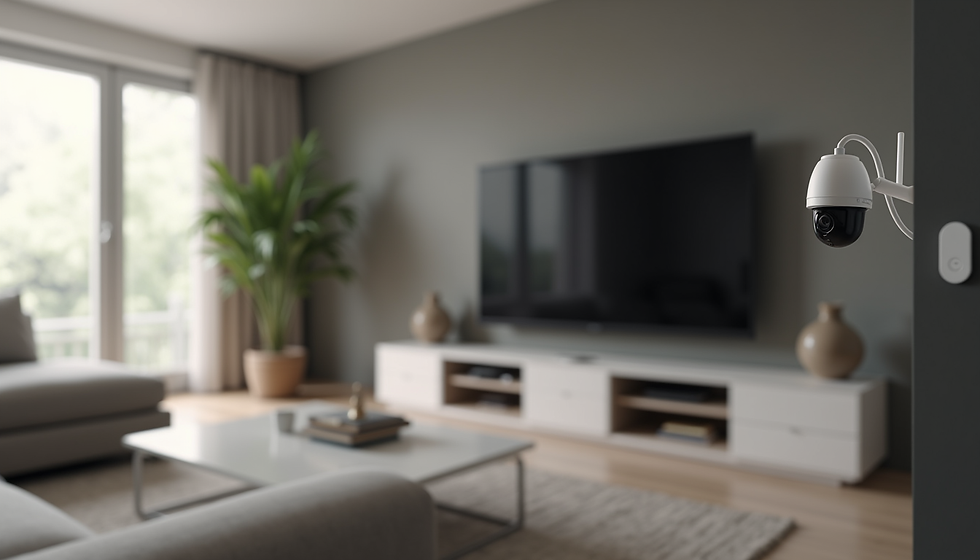
AI-powered security cameras do more than just record video. They can:
Detect unusual activity and alert homeowners immediately
Recognize familiar faces and ignore routine visitors like family or delivery people
Analyze patterns to reduce false alarms caused by pets or shadows
For example, Nest Cam uses AI to differentiate between people, animals, and objects. This reduces unnecessary alerts and helps users focus on real security concerns.
WiFi Systems
Smart WiFi routers use AI to optimize network performance by:
Automatically adjusting bandwidth to prioritize devices in use
Detecting and blocking suspicious network activity
Learning usage patterns to improve speed and reliability during peak times
Google Nest Wifi and Eero are examples of systems that adapt to household needs, ensuring smooth streaming, gaming, and video calls without manual intervention.
Audio and Video Devices
AI enhances audio and video devices by:
Improving sound quality through noise cancellation and voice recognition
Automatically adjusting volume and picture settings based on environment
Offering voice control for hands-free operation
Smart speakers like Amazon Echo and Google Home use AI to understand natural language, making it easier to control music, ask questions, or manage other smart devices.
Lighting Systems
AI-driven lighting adjusts brightness and color temperature based on time of day, activity, or mood. Features include:
Learning daily routines to turn lights on or off automatically
Adjusting lighting to reduce eye strain or improve sleep quality
Integrating with other devices for coordinated home automation
Philips Hue lights, for example, can simulate sunrise to help wake you gently or dim lights for relaxation in the evening.
Benefits of AI in Usability, Reliability, and Management
AI brings clear advantages to home technology that go beyond convenience.
Usability
Smart devices with AI are easier to use because they learn from user behavior and adapt accordingly. This means less time spent on setup or manual adjustments. Voice commands and intuitive apps make controlling multiple devices simple, even for those less comfortable with technology.
Reliability
AI improves reliability by predicting and preventing problems. For example, AI can detect when a device is about to fail or when network congestion might occur, allowing for proactive fixes. This reduces downtime and frustration.
Management
Managing a smart home can be complex, but AI simplifies this by:
Centralizing control through hubs or apps
Automating routine tasks like turning off lights or locking doors
Providing insights and reports on energy use or security events
This makes it easier to maintain a safe, efficient, and comfortable home environment.
The Importance of Professional Design and Installation
While AI makes devices smarter, professional design and installation ensure these technologies work well together and fit the home’s unique needs.
Tailored Solutions
Professionals assess the home layout, family habits, and security concerns to recommend the right devices and placement. This avoids common issues like weak WiFi signals or blind spots in camera coverage.
Seamless Integration
Experts connect devices to create a unified system where lighting, security, audio, and other functions communicate smoothly. This integration enhances automation and user experience.
Reliable Setup
Proper installation reduces technical problems and ensures devices operate at peak performance. Professionals also provide training and support, helping homeowners feel confident using their smart systems.
Real-Life Examples of AI Impact on Homes
Case Study 1: Enhanced Security in a Family Home
A family in Seattle installed AI-powered cameras and smart locks. The system recognizes family members and trusted visitors, sending alerts only for unusual activity. This reduced false alarms and gave the family peace of mind while away. The AI also learns daily routines, locking doors automatically at night.
Case Study 2: Energy Savings with Smart Lighting and WiFi
In a New York apartment, AI-controlled lighting adjusts based on occupancy and natural light, cutting energy use by 30%. The smart WiFi system prioritizes streaming devices during evening hours, improving entertainment quality without manual changes.
Case Study 3: Voice-Controlled Convenience for Seniors
An elderly couple in Florida uses voice-activated assistants to control lights, thermostat, and security cameras. The AI adapts to their speech patterns and routines, making technology accessible and reducing the need for physical interaction.
AI is transforming home technology by making devices smarter, easier to use, and more reliable. These advances improve daily life, from security to comfort and energy management. Professional design and installation play a key role in unlocking the full potential of AI-powered homes. As these technologies continue to evolve, they will create living spaces that truly respond to our needs.


Comments