
The Future of Security Camera Technology in 2026 Exploring AI Features and Ethical Concerns
- Chris Dudley

- Jul 13
- 4 min read
Security cameras have become a staple in protecting homes and businesses. By 2026, these devices will no longer be simple recording tools but intelligent systems powered by artificial intelligence (AI). This transformation will bring new capabilities that improve safety and convenience while raising important questions about privacy and ethics. This post explores how AI security cameras will evolve, their benefits, and the challenges they present.

How AI Enhances Security Cameras
AI technology allows security cameras to do much more than record video. These cameras analyze footage in real time, recognize patterns, and respond to potential threats automatically. Here are some key advancements expected by 2026:
Facial Recognition
Facial recognition technology will become more accurate and faster. Cameras will identify known individuals, such as family members or employees, and alert owners if strangers enter restricted areas. This feature helps reduce false alarms and speeds up response times.
For example, a smart home camera can unlock doors automatically for recognized residents while sending alerts if an unknown person lingers near the property. In businesses, facial recognition can track employee attendance or detect unauthorized access.
Real-Time Threat Detection
AI cameras will detect unusual behavior or potential threats instantly. They can identify actions like loitering, aggressive movements, or attempts to tamper with the camera itself. When a threat is detected, the system can trigger alarms, notify security personnel, or even contact law enforcement.
Some systems will use sound detection alongside video to recognize breaking glass or raised voices, adding another layer of security. This real-time analysis reduces the need for constant human monitoring and improves the chances of stopping incidents early.
Smart Home and Business Integration
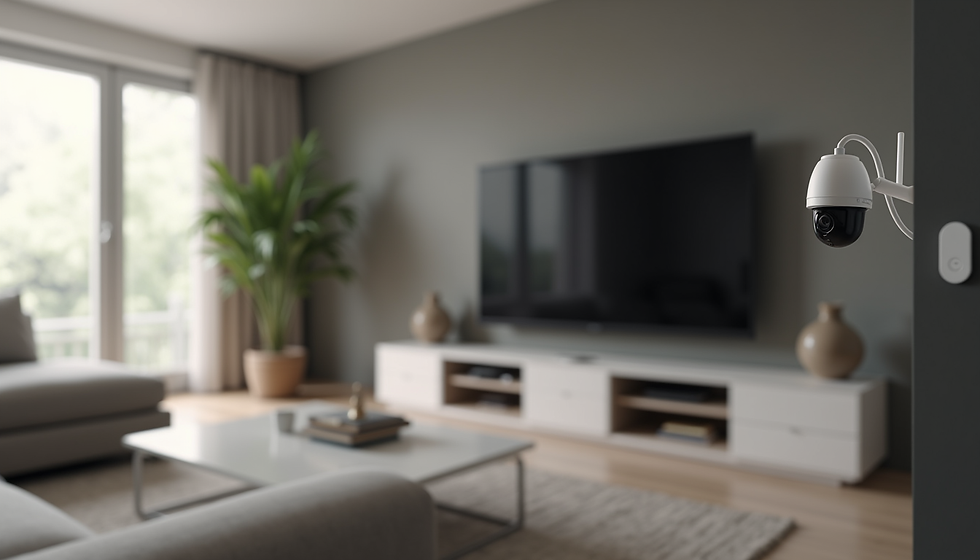
By 2026, AI security cameras will seamlessly connect with other smart devices. For homes, this means integration with lighting, locks, and alarm systems. For example, if a camera detects someone approaching at night, it can turn on outdoor lights automatically.
Businesses will benefit from linking cameras to access control systems, fire alarms, and even inventory management. This integration creates a comprehensive security network that responds dynamically to different situations.
Benefits for Homes and Businesses
The advancements in AI security cameras offer several practical benefits:
Improved Safety: Faster detection and response reduce risks of burglary, vandalism, and other crimes.
Convenience: Automated features like facial recognition and smart device control simplify daily routines.
Cost Savings: Reduced need for security guards or constant monitoring lowers operational expenses.
Evidence Collection: High-quality video with AI tagging helps law enforcement investigate incidents more effectively.
Remote Monitoring: Users can check live feeds and receive alerts on their smartphones from anywhere.
For example, a family can feel safer knowing their camera will alert them if a stranger approaches, while a retail store can monitor customer flow and prevent shoplifting without hiring extra staff.
Privacy Concerns and Ethical Considerations
Despite the benefits, AI security cameras raise serious privacy and ethical questions that must be addressed.
Data Security and Surveillance
AI cameras collect vast amounts of personal data, including images and behavioral patterns. If this data is not properly secured, it could be vulnerable to hacking or misuse. Unauthorized access to facial recognition databases could lead to identity theft or stalking.
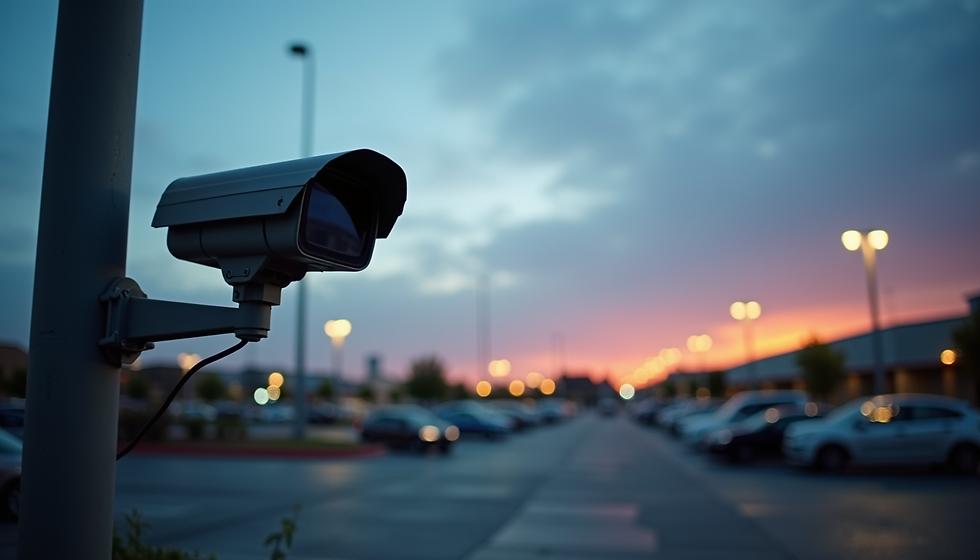
There is also concern about mass surveillance. Widespread use of AI cameras in public and private spaces might create a society where people feel constantly watched, affecting personal freedom and behavior.
Consent and Transparency
People captured on camera may not always be aware or have consented to being recorded and analyzed. Clear policies and signage are necessary to inform individuals about surveillance practices.
Businesses and homeowners should consider when and where to install cameras, balancing security needs with respect for privacy. For example, cameras should avoid private areas like bathrooms or changing rooms.
Bias and Accuracy
AI systems can reflect biases present in their training data. Facial recognition has been shown to have higher error rates for certain ethnic groups, which could lead to unfair treatment or false accusations.
Developers must work to improve accuracy and test systems extensively to prevent discrimination. Users should remain cautious and not rely solely on AI for critical decisions.
Preparing for the Future
As AI security cameras become more common, users should take steps to use them responsibly:
Choose cameras from reputable manufacturers with strong data protection policies.
Regularly update software to fix security vulnerabilities.
Understand the legal regulations regarding surveillance in your area.
Use privacy settings to limit data sharing and storage duration.
Educate family members or employees about how the cameras work and their rights.
By staying informed and cautious, individuals and businesses can enjoy the benefits of AI security cameras while minimizing risks.
AI security cameras in 2026 will offer powerful tools to protect homes and businesses with features like facial recognition, real-time threat detection, and smart integration. These advances promise greater safety and convenience but also require careful attention to privacy and ethics. Users must balance technology’s potential with respect for individual rights to create secure and fair environments.
Explore options carefully and stay updated on best practices to make the most of AI surveillance technology in the years ahead.

Comments